


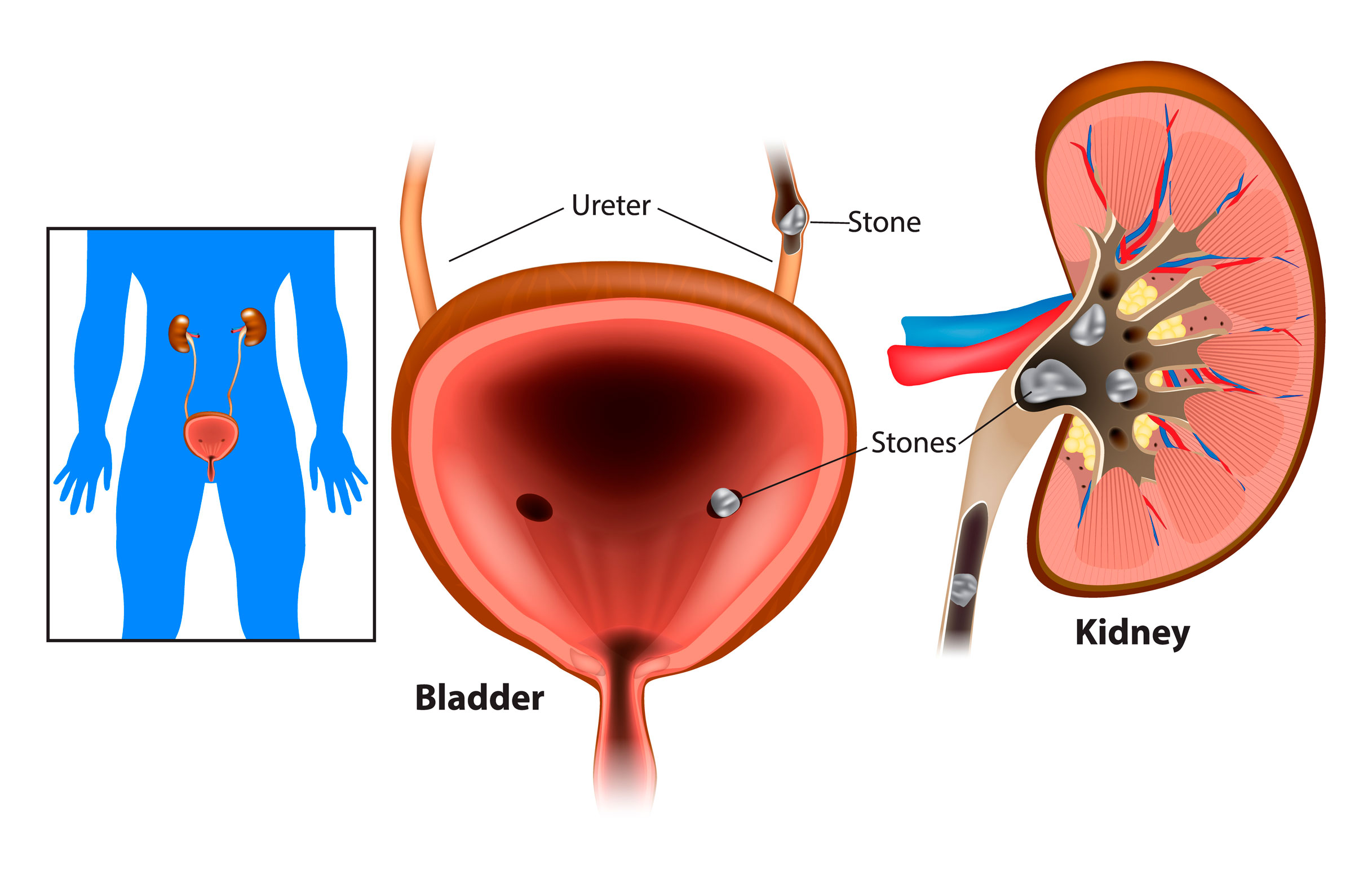
Kidney stones can be painful, disruptive, and often recurring. If you’ve experienced one, you know how quickly symptoms can impact your daily life. The good news is that with the right insight, many kidney stones can be prevented.
Understanding your personal risk, and knowing what to test and track, can help you take a more proactive approach to your kidney health. We’re here to guide you through that process with clarity, support, and a plan tailored to you.
Kidney stones form when minerals in the urine, such as calcium, oxalate, or uric acid, become concentrated and crystallize over time.
Not all stones are the same, and different types develop for different reasons. That’s why identifying your specific risk factors is essential. At Rose City Urology, the focus isn’t just on treating stones, it’s on understanding why they formed and helping prevent them from coming back.
Your risk for kidney stones can be influenced by genetics. If you have a family history of kidney stones, your likelihood of developing them is higher. Some individuals are predisposed to differences in how their body processes minerals, which can increase stone formation over time.
While you can’t change your genetics, you can take proactive steps to reduce your risk. Early awareness allows us to monitor more closely and guide prevention strategies that fit your needs.
Hydration and diet are among the most important, and most manageable, risk factors. When you don’t drink enough fluids, your urine becomes more concentrated, making it easier for crystals to form.
Certain dietary patterns can also increase risk, including:
The goal isn’t strict restriction, it’s balance and personalization. With the right guidance, small changes in hydration and nutrition can significantly reduce your risk.

Kidney stones are often connected to underlying health conditions. Conditions such as diabetes, obesity, gout, and digestive disorders can change how your body processes minerals and fluids, making stone formation more likely. Recurrent urinary tract infections can also contribute to certain types of stones.
Managing these conditions is an important part of prevention. By addressing the underlying factors, we can reduce the environment that allows stones to develop.
Some medications and supplements can increase the likelihood of kidney stone formation. These may include:
This doesn’t mean you should stop any medication on your own. Instead, we take a comprehensive look at your current medications and determine whether adjustments or monitoring may be helpful. Our goal is to support your health safely and effectively.
Preventing kidney stones starts with understanding your body.
At Rose City Urology, evaluation may include:
These tests help identify the cause of stone formation and guide prevention.
You can also play an active role by tracking:
This information helps create a personalized prevention plan, and allows us to adjust your care over time.
What is the most common cause of kidney stones?
Low fluid intake is one of the most common contributors, along with dietary and metabolic factors.
Are all kidney stones the same?
No. Different types of stones have different causes, which is why testing is important for targeted prevention.
Can kidney stones be prevented?
In many cases, yes. With the right testing, tracking, and lifestyle adjustments, recurrence can often be reduced.
How much water should I drink to prevent stones?
Hydration needs vary, but increasing fluid intake to keep urine diluted is a key part of prevention. We can help you determine what’s right for you.
When should I see a urologist?
If you’ve had kidney stones before, experience recurrent symptoms, or want to understand your risk, a urologic evaluation can help guide next steps.
Kidney stones don’t have to be a recurring part of your life. With the right information and a personalized approach, you can take meaningful steps to reduce your risk and protect your long-term health.
We’re here to listen, evaluate your risk factors, and help you build a plan that works for you. Don’t wait for symptoms. Explore prevention strategies with a personalized consultation.